


BioFlux™ technology for sustainable aviation fuel (SAF)
Low-carbon SAF and renewable diesel from biobased feedstocks
Sulzer’s BioFlux process, a HEFA process, transforms biobased fats, oils and greases, including used cooking oil (UCO), animal tallow, and distillers corn oil (DCO), into premium sustainable aviation fuel (SAF) and renewable diesel.
Whether you’re a refinery planning your renewable fuels transition, an ethanol producer seeking diversification, or an investor evaluating sustainable fuel opportunities, BioFlux delivers the industry’s fastest payback and lowest total cost of production with its cutting-edge liquid-full reactor design and advanced internal mixing.
Sulzer licenses the BioFlux technology under an exclusive cooperation with Duke Technologies LLC.
Fast payback & low production cost
Lowest cost, quickest ROI: cut CAPEX and OPEX for rapid returns
Integrated hydrogen generation
Boost efficiency and reduce wastage with integrated H2 generation
High yield, low carbon intensity
Best-in-class feed-to-fuel yields with the lowest carbon intensity, up to 80% reduction in GHG emissions
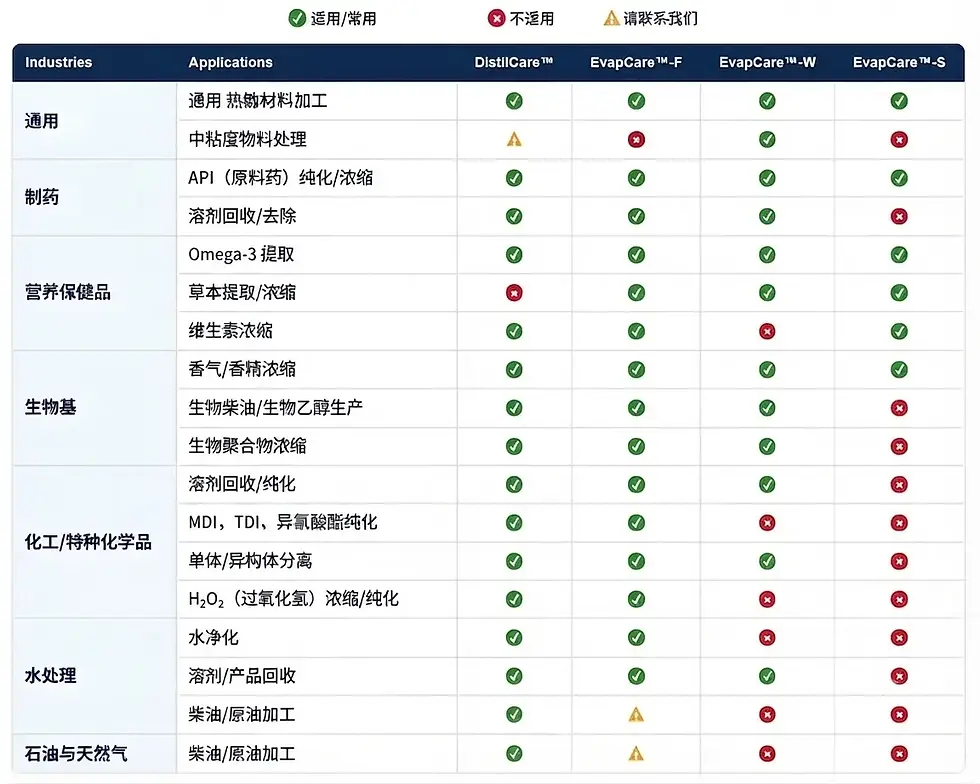

典型应用概览

主要优势
Excellent performance/cost ratio
Improved column performance, increased capacity, and reduced energy consumption
Customer specific columns based on computer simulations and in-house pilot plant testing
主要应用
Efficient design including demister to limit entrainment of liquid by the gas
Optimized hydraulics leading to lower pressure drop across the unit
Flexible scope of supply including key equipment or full turnkey modular solution
主要优势
Achieves the lowest cost of production and quick payback (<3 years)
Integrated hydrogen generation for better efficiency and reduced dependency on external supply
Innovative liquid-full reactor design reduces both capital and operational expenditures
Converts DCO, UCO, tallow and other waste feeds into high-quality SAF/renewable diesel
Lowest carbon intensity fuel products that meet global SAF standards and mandates
主要特征
High SAF and diesel yields with minimal by-products
Rapid deployment from concept to engineering to modular plant supply within 24 months
Effective for any grassroots plant size from 15 KTA to 500 KTA with favorable economics
Reforming off-gases from the BioFlux unit with integrated hydrogen production
Improved operational stability and lower maintenance needs
下载我们的技术资源

联系专家
Why invest in SAF now?
SAF is the most scalable near-term way to decarbonize aviation. In 2025 it made up only about 0.6% of global jet fuel (IATA), while EU rules raise the minimum SAF share from 2% in 2025 to 6% in 2030.
What types of feedstock can BioFlux™ process?
BioFlux can process a wide range of lipid-based feedstocks, including used cooking oil (UCO), animal fats, tallow, and distillers corn oil (DCO). Its flexible design allows seamless integration of multiple feed types to meet sustainability goals and feedstock availability.
How long does it take to deploy a BioFlux™ unit?
The deployment of a BioFlux unit typically takes ≤24 months from concept to operational modules. This timeline applies whether retrofitting an existing facility or designing a new sustainable aviation fuel (SAF) complex.
What are the main economic benefits of BioFlux™?
BioFlux delivers low total cost of production, rapid ROI (<3 years), 25% CAPEX reduction, and 15–20% OPEX reduction compared to conventional solutions. It’s designed for both operational efficiency and long-term profitability.
Can BioFlux™ be used in existing refinery infrastructure?
Yes. BioFlux is suitable for both new (grassroots) installations and revamp projects. Its integration flexibility enables deployment within existing sites with minimal modification.
What types of fuels are produced with BioFlux™?
BioFlux produces renewable diesel (RD), sustainable aviation fuel (SAF), and optionally bio-naphtha or bio-propane, depending on the configuration. These fuels meet or exceed industry standards such as ASTM D975 and EN590.
How does BioFlux™ support decarbonization targets?
By processing low-carbon feedstocks like UCO, tallow and DCO, and with integrated hydrogen production, BioFlux helps achieve lower lifecycle carbon intensity, supports compliance with global SAF regulations, and reduces dependency on fossil-based hydrogen.
What makes BioFlux™ different from conventional hydrotreating technologies?
As opposed to a conventional trickle-bed hydrotreatment reactor design, BioFlux uses a novel liquid-full reactor design with proprietary internals, which allows the reactor to operate in a single continuous liquid phase, maximizing the volumetric flux through the reactor. This improves hydrogen availability in the reactor, thermal heat management, and lowers the tendency for cracking and fouling, resulting in lower overall capital and operating costs.

最新帖子

Add a Title
- 第 1 頁


