


SulROP™ ring-opening polymerization for PLA
Licensed processes for industrial bioplastics
Sulzer licenses end-to-end PLA production technology, from lactide synthesis (SULAC™) and purification to ring-opening polymerization (SulROP™), enabling agricultural and chemical companies and EPC contractors to build efficient, scalable polylactic acid plants. In SulROP™, purified lactide undergoes continuous ring-opening polymerization in Sulzer’s SMR loop and plug-flow reactor systems. Precise temperature control and efficient melt mixing enable a wide portfolio of PLA grades, from food packaging to durable engineering grades, on a single production line with minimal changeover downtime.
30+ years
Experience in PLA polymerization process development
1,000 to 80,000+ tpa
Licensed plant capacities, from demonstration to world scale
All PLA grades on one line
Fast transitions between molecular weights and stereoisomer ratios without separate process trains
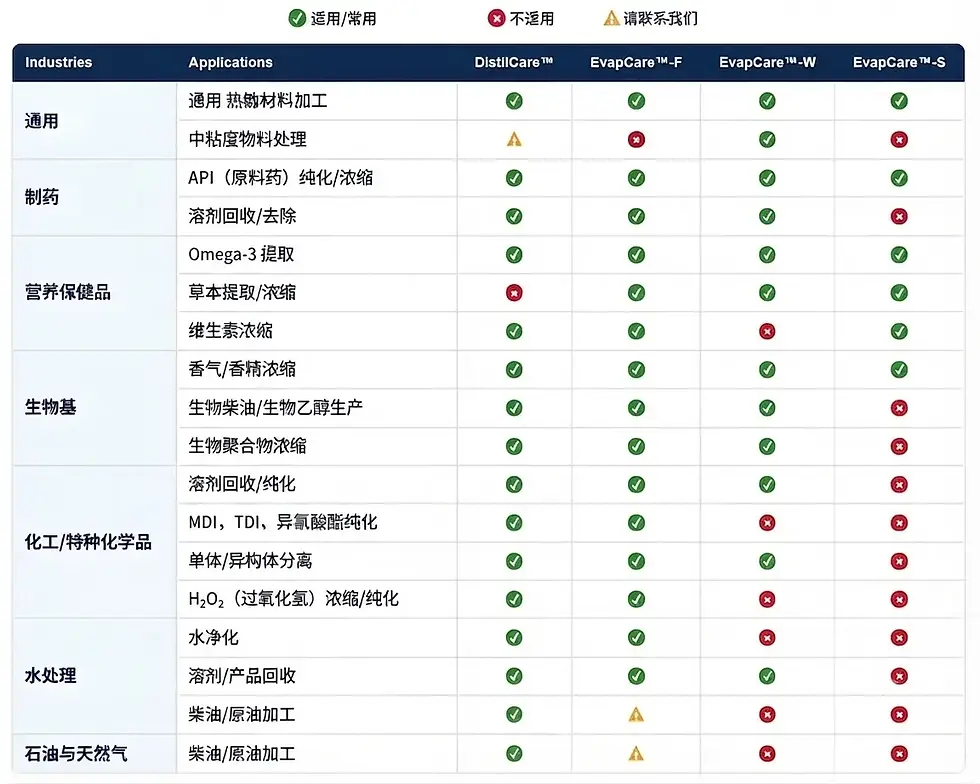

典型应用概览

主要优势
Excellent performance/cost ratio
Improved column performance, increased capacity, and reduced energy consumption
Customer specific columns based on computer simulations and in-house pilot plant testing
主要应用
Efficient design including demister to limit entrainment of liquid by the gas
Optimized hydraulics leading to lower pressure drop across the unit
Flexible scope of supply including key equipment or full turnkey modular solution
主要优势
Grade flexibility on a single line Serve packaging, fiber, engineering and 3D printing grades from one plant
Low maintenance, high uptime Predominantly static equipment with no moving parts in key process units
Scalable capacity design Plants and individual lines licensed from 1,000 to 80,000+ tonnes per annum
Feedstock agnosticism Compatible with lactic acid from first- and second-generation feedstocks, including food waste, to minimize carbon footprint and supply risk
Full project lifecycle support Process design, equipment supply, installation, commissioning, start-up supervision and operator training from a single point of responsibility
主要特征
SMR loop and plug-flow reactors: Continuous ring-opening polymerization of purified lactide with precise temperature control and efficient melt mixing
Integrated value chain: SULAC™ lactide synthesis, distillation and crystallization purification, SulROP™ polymerization, DEVO™ devolatilization and pelletizing
Product scope: Bio-based, compostable and recyclable PLA for packaging, textiles, automotive components and 3D printing
下载我们的技术资源

联系专家
What is SulROP™?
SulROP™ is Sulzer’s licensed ring-opening polymerization technology for polylactic acid. Purified lactide is polymerized continuously in Sulzer’s SMR loop and plug-flow reactor systems. Precise temperature control and efficient melt mixing make it possible to produce a wide portfolio of PLA grades, from food packaging grades to durable engineering grades, on a single production line.
How does SulROP™ fit in the lactic acid-to-PLA chain?
Renewable feedstocks are fermented to lactic acid, which is converted to crude lactide by oligomerization and cyclization with Sulzer’s SULAC™ technology, then purified to polymerization grade by distillation and crystallization. SulROP™ polymerizes the purified lactide; residual lactide and volatiles are then removed in a DEVO™ devolatilization stage before pelletizing and partial crystallization.
What plant capacities can be licensed?
Sulzer licenses PLA plants and individual lines from 1,000 to more than 80,000 tonnes per annum. The process relies predominantly on static equipment, with no moving parts in key process units, delivering high mechanical reliability and low maintenance costs over the plant lifetime.
Which feedstocks are compatible?
The technology is feedstock-agnostic from lactic acid onwards: sugar cane, corn, sugar beet, or second-generation sources such as food waste and wood chips. This lets operators select the most cost-effective, locally available raw material and minimize the carbon footprint of the plant.


最新帖子

Add a Title
- 第 1 頁
