


Polylactic acid production technology
Licensed processes for industrial bioplastics
Scaling commercial bioplastic manufacturing requires specialized engineering, precise thermal control and seamless integration across the entire chemical value chain. Sulzer licenses end-to-end PLA production technology, from lactide synthesis (SULAC™) and purification to ring-opening polymerization (SulROP™) and finishing, enabling agricultural and chemical companies and EPC contractors to build efficient, scalable polylactic acid plants.
30+ years
Experience in PLA polymerization process development
End-to-end licensing
One licensor from lactic acid to PLA resin, reducing interface and project risk
1,000 to 80,000+ tpa
Licensed plant capacities, from demonstration to world scale
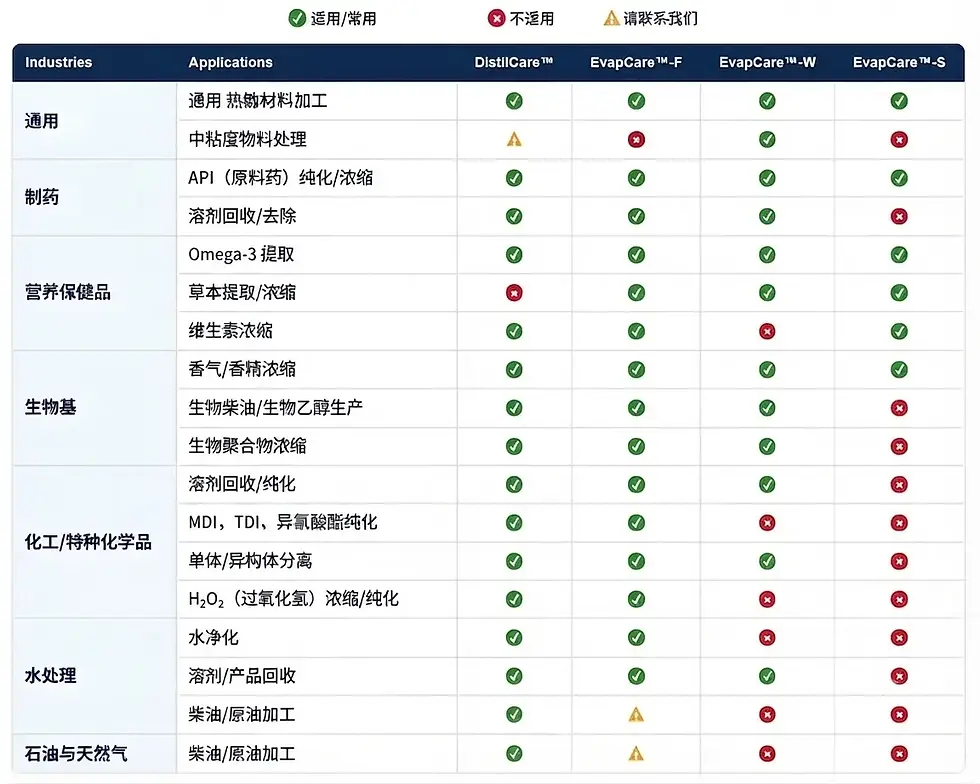

典型应用概览

主要优势
Excellent performance/cost ratio
Improved column performance, increased capacity, and reduced energy consumption
Customer specific columns based on computer simulations and in-house pilot plant testing
主要应用
Efficient design including demister to limit entrainment of liquid by the gas
Optimized hydraulics leading to lower pressure drop across the unit
Flexible scope of supply including key equipment or full turnkey modular solution
主要优势
Fast switches between molecular weights and L/D ratios serve packaging, fiber and 3D printing grades from one plant.
Mostly static equipment, with no moving parts in key units, means high reliability and lower maintenance cost over the plant lifetime.
Licensed from 1,000 to 80,000+ tonnes per annum, as full plants or single lines.
Runs on lactic acid from first or second-generation feedstocks, including food waste, so each project can choose the most available, lowest-carbon raw material.
One point of technical responsibility from process design and equipment supply to commissioning, start-up and operator training.
主要特征
Step 1, feedstock and lactic acid: sugar cane, corn, sugar beet or food waste fermented into lactic acid; feedstock-agnostic from here on.
Step 2, lactide synthesis (SULAC™) and purification: lactic acid converted to lactide, then purified by distillation and crystallization to polymer grade.
Step 3, ring-opening polymerization (SulROP™): continuous polymerization in SMR™ reactors delivers a wide range of PLA grades on one line.
Step 4, devolatilization and pelletizing (DEVO™): residual lactide and volatiles removed before the melt is pelletized and crystallized for shipment.
Add paragraph text. Click “Edit Text” to update the font, size and more. To change and reuse text themes, go to Site Styles.
下载我们的技术资源

联系专家
What is the difference between SULAC™ and SulROP™ technologies?
SULAC™ is focused on the upstream synthesis of lactide from lactic acid, whereas SulROP™ manages the downstream Ring-Opening Polymerization (ROP) phase, converting purified lactide into high-molecular-weight PLA polymer.
How does the SMR™ reactor improve PLA polymerization quality?
By combining intensive radial static mixing with high-capacity heat transfer surfaces, the SMR™ maintains a strict plug flow regime and a uniform temperature-time history, preventing polymer breakdown and ensuring consistent mechanical properties.
What plant capacities can Sulzer’s PLA production technology support?
Sulzer’s PLA production technology is scalable from approximately 1,000 tonnes per annum for smaller-scale or greenfield entry-level plants, up to 80,000 tonnes per annum for world-scale facilities, such as the two-train Emirates Biotech plant currently under construction in the UAE in partnership with Sulzer.
What is PLA production technology and how does Sulzer’s licensed process work?
PLA production technology converts renewable feedstocks via lactic acid and lactide intermediates into high-performance bioplastic resin. Sulzer licenses two proprietary technologies: SULAC™ for lactic acid to lactide conversion, and SulROP™ for ring-opening polymerization to PLA, forming an integrated, end-to-end licensed process for plants from 1,000 to 80,000+ tonnes per annum.
Can Sulzer’s PLA technology produce multiple PLA grades on a single production line?
Yes. The SulROP™ process is designed for grade flexibility. A single licensed PLA production line can produce a wide range of molecular weights and stereoisomer ratios (L/D ratios), enabling plant operators to serve packaging, fiber and 3D printing markets from a single asset. Short residence times in the SMR™ reactor system enable fast grade transitions with minimal product loss.
What services does Sulzer provide alongside its PLA technology license?
In addition to process technology licensing and proprietary equipment supply, Sulzer provides comprehensive project lifecycle services: process design and engineering support, equipment design and fabrication, installation supervision, commissioning assistance, and operator training. This full-service model reduces project execution risk and accelerates time to first production for PLA plant investors.
What feedstocks are compatible with Sulzer’s PLA manufacturing process?
Sulzer’s PLA production technology is feedstock-agnostic. Compatible feedstocks include lactic acid from first-generation sources (sugar cane, corn, sugar beet, tapioca) and second-generation sources such as wood chips, agricultural residues and food waste, allowing each project to select the most economical and regionally available raw material.

最新帖子

Add a Title
- 第 1 頁
