

Optimizing Operations with Industrial Evaporation Systems
- Aug 28, 2025
- 3 min read
Industrial evaporation plays a critical role in chemical, petrochemical, refining, and LNG industries. It enables efficient separation, concentration, and purification of liquids, directly impacting operational performance and sustainability. By integrating advanced evaporation technologies, companies can reduce energy consumption, lower emissions, and improve product quality. This post explores how industrial evaporation solutions optimize processes, the types of evaporation, and practical steps to enhance system efficiency.
Enhancing Efficiency with Industrial Evaporation Solutions
Industrial evaporation solutions are designed to maximize throughput while minimizing energy use. These systems concentrate liquids by removing solvents, typically water, through controlled heating and vaporization. The key to optimization lies in selecting the right technology and maintaining precise control over operating parameters.
Key factors to consider:
Heat transfer efficiency: Use of high-performance heat exchangers reduces energy demand.
Vacuum operation: Lowering pressure decreases boiling points, saving energy.
Multiple-effect evaporation: Reuses vapor energy across stages to improve efficiency.
Material compatibility: Ensures longevity and reduces maintenance costs.
For example, in refining, concentrating wastewater streams before treatment reduces volume and disposal costs. In LNG production, evaporation systems help recover valuable hydrocarbons from process streams, enhancing yield.

Heat exchanger in an industrial evaporator system
Key Components and Their Roles in Industrial Evaporation Solutions
Understanding the components of evaporation systems is essential for optimization. Each part contributes to overall performance and reliability.
Evaporator body: The vessel where liquid is heated and vapor is generated.
Heating source: Steam, thermal oil, or electric heaters supply energy.
Heat exchanger surfaces: Transfer heat efficiently to the liquid.
Vapor separator: Separates vapor from concentrated liquid.
Condensers: Convert vapor back to liquid for reuse or disposal.
Vacuum system: Maintains reduced pressure to lower boiling points.
Regular inspection and maintenance of these components prevent fouling and scaling, which degrade heat transfer and increase energy consumption. Implementing automated control systems allows real-time monitoring and adjustment, ensuring consistent operation within optimal parameters.

Industrial evaporator components in a processing plant
What are the four types of evaporation?
Evaporation processes vary depending on the application and desired outcome. The four primary types are:
Natural Evaporation: Occurs without external heat, relying on ambient temperature and airflow. Used mainly in salt production and wastewater treatment ponds.
Forced Evaporation: Uses mechanical means like fans or vacuum pumps to accelerate vapor removal.
Flash Evaporation: Involves rapid vaporization by sudden pressure reduction, common in desalination and chemical processing.
Multiple-Effect Evaporation: Employs several evaporator stages where vapor from one stage heats the next, significantly improving energy efficiency.
Each type suits different industrial needs. Multiple-effect evaporation is preferred in high-volume chemical processes due to its energy-saving benefits. Flash evaporation is effective for quick separation in refining operations.
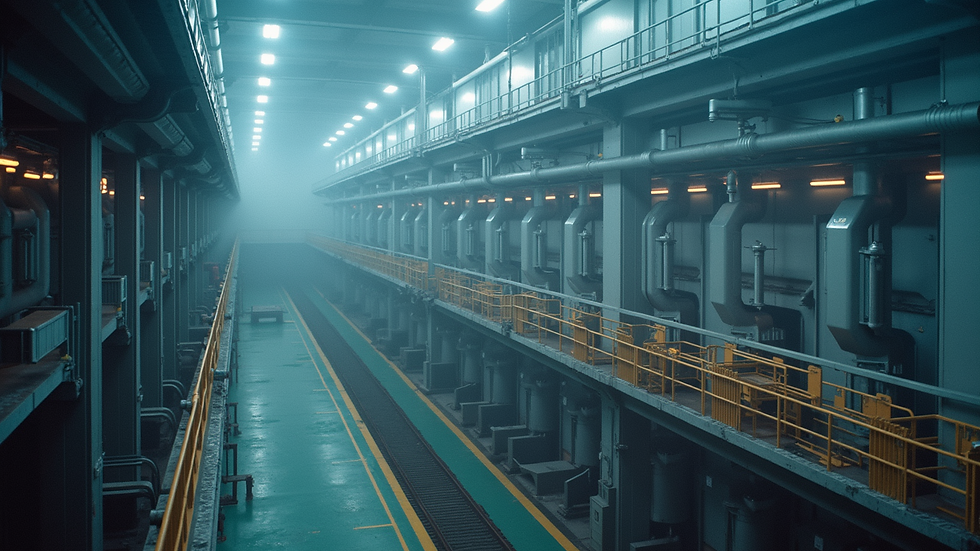
Multiple-effect evaporator system in a chemical plant
Practical Strategies to Optimize Evaporation Processes
Optimizing evaporation systems requires a combination of technology, process control, and maintenance practices. Here are actionable recommendations:
Implement advanced control systems: Use sensors and automation to maintain optimal temperature, pressure, and flow rates.
Regular cleaning and descaling: Prevent fouling to maintain heat transfer efficiency.
Upgrade to energy-efficient heat exchangers: Consider plate or tubular designs with enhanced surface area.
Use vacuum operation where feasible: Lower boiling points reduce energy consumption.
Recycle condensate and vapor: Capture and reuse heat to minimize waste.
Monitor feed composition: Adjust parameters based on changes in liquid properties to avoid crystallization or corrosion.
By applying these strategies, plants can reduce operational costs, increase throughput, and extend equipment lifespan.
The Role of Industrial Evaporation Systems in Sustainability
Sustainability is a growing priority in chemical and refining industries. Industrial evaporation systems contribute by reducing carbon emissions and enabling circular economy practices.
Energy reduction: Efficient evaporation lowers fuel and electricity use.
Water recovery: Evaporation enables reuse of process water, reducing freshwater demand.
Waste minimization: Concentrating waste streams reduces disposal volumes and environmental impact.
Material recovery: Valuable by-products can be extracted and recycled.
Sulzer Chemtech Process Solutions offers advanced industrial evaporation systems that align with these goals. Their technologies support peak operational performance while promoting environmental responsibility.
Driving Operational Excellence with Industrial Evaporation Solutions
Optimizing evaporation processes is not a one-time task but a continuous effort. It requires integrating the right technology, maintaining equipment, and adapting to process changes. By focusing on efficiency, reliability, and sustainability, industries can achieve superior performance and profitability.
Investing in state-of-the-art evaporation solutions delivers measurable benefits:
Lower energy costs
Improved product quality
Reduced environmental footprint
Enhanced process control
These advantages position companies to meet regulatory requirements and market demands effectively.
Industrial evaporation solutions are indispensable for modern chemical processing. Their optimization directly impacts operational success and sustainability. By leveraging advanced technologies and best practices, industries can unlock new levels of efficiency and environmental stewardship.
To learn more about our solution EvapCare™ and receive a preliminary assessment of your feedstock, contact us.


