

Understanding Industrial Evaporation Systems
- Nov 18, 2025
- 3 min read
Evaporation plays a critical role in many industrial applications. It separates liquids from solids or concentrates solutions by removing solvents, typically water, through vaporization. In chemical, petrochemical, refining, and LNG industries, mastering evaporation processes is essential for efficiency, cost control, and environmental compliance. I will guide you through the fundamentals, types, and operational considerations of industrial evaporation processes, highlighting practical insights and advanced solutions.
The Role of Industrial Evaporation Processes
Industrial evaporation processes are designed to reduce the volume of liquid mixtures by vaporizing the solvent. This step is crucial in:
Concentrating valuable products
Recovering solvents for reuse
Minimizing waste disposal volumes
Enhancing downstream processing efficiency
For example, in refining, evaporation concentrates heavy oil fractions, improving fuel quality. In LNG production, evaporation helps remove water from natural gas streams, preventing pipeline corrosion and freezing.
Evaporation efficiency depends on heat transfer, vapor-liquid separation, and material compatibility. Selecting the right evaporation technology impacts energy consumption and operational uptime. I recommend evaluating feed composition, temperature sensitivity, and fouling tendencies before choosing an evaporation system.
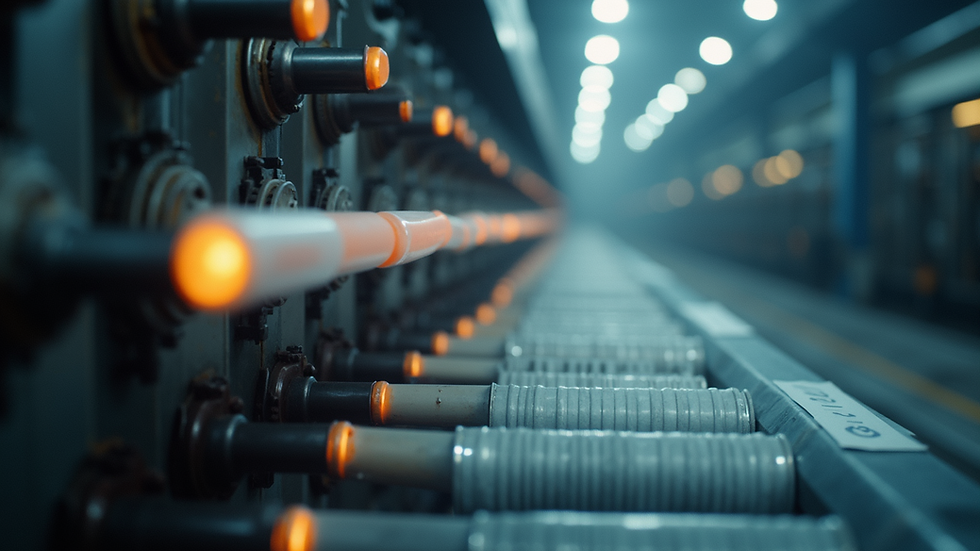
Close-up view of industrial evaporator tubes in operation
Types of Industrial Evaporation Processes
Several evaporation technologies serve different industrial needs. The main types include:
Falling Film Evaporators
These use a thin liquid film flowing down heated tubes. They offer high heat transfer rates and low residence time, ideal for heat-sensitive materials. Falling film evaporators minimize fouling and degradation.
Forced Circulation Evaporators
Here, liquid is pumped through heated tubes at high velocity. This prevents scaling and is suitable for viscous or fouling feeds. Forced circulation systems handle high solids content effectively.
Multiple Effect Evaporators
These systems use vapor from one effect to heat the next, reducing steam consumption. They are energy-efficient and common in large-scale operations.
Mechanical Vapor Recompression (MVR) Evaporators
MVR recycles vapor energy by compressing and reusing it as heating steam. This reduces energy costs significantly.
Each type has specific advantages. For instance, falling film evaporators excel in gentle handling and energy efficiency, while forced circulation systems manage challenging feeds better.
Key Design and Operational Considerations
Designing an evaporation system requires attention to several factors:
Feed Characteristics: Viscosity, solids content, and thermal sensitivity dictate the choice of evaporator type.
Heat Source: Steam is common, but waste heat or thermal oil may be used depending on availability.
Material Selection: Corrosive feeds require stainless steel or special alloys to ensure longevity.
Scaling and Fouling: Systems must include cleaning protocols or design features to minimize buildup.
Energy Efficiency: Multiple effect and MVR systems reduce steam consumption and emissions.
Control Systems: Automation improves process stability and product quality.
For example, in petrochemical plants, feedstocks often contain corrosive compounds. Selecting appropriate materials and incorporating forced circulation can prevent downtime due to fouling.

Eye-level view of a large industrial evaporation plant with multiple effects
Practical Applications and Benefits
Industrial evaporation processes deliver measurable benefits:
Volume Reduction: Concentrating waste streams reduces disposal costs.
Product Quality: Controlled evaporation preserves product integrity.
Energy Savings: Advanced designs cut steam and power use.
Environmental Compliance: Lower emissions and waste volumes support sustainability goals.
Operational Uptime: Reliable systems reduce maintenance and downtime.
For instance, LNG facilities use evaporation to remove water and impurities, ensuring pipeline safety and product quality. Chemical plants rely on evaporation to recover solvents, reducing raw material costs and environmental impact.
I recommend integrating digital lifecycle services to monitor performance and predict maintenance needs. This approach aligns with the shift to high-performance, low-carbon manufacturing.
Enhancing Performance with Advanced Solutions
To optimize evaporation, consider the latest technologies and services. Sulzer Chemtech offers advanced industrial evaporation systems that combine proprietary equipment, modular plants, and digital lifecycle services. These solutions help:
Boost uptime through robust design and predictive maintenance
Cut energy use with efficient heat recovery and vapor recompression
Reduce emissions by optimizing process parameters
Achieve measurable ROI with modular, scalable installations
Implementing such systems accelerates the transition to sustainable manufacturing. I advise evaluating your current evaporation setup and exploring upgrades that leverage these innovations.
Understanding and applying the right industrial evaporation processes is vital for operational success. By focusing on feed characteristics, energy efficiency, and advanced technologies, industries can enhance productivity and sustainability. Continuous improvement and digital integration will drive future gains in evaporation performance.
Ready to optimize your evaporation process? Discover how Sulzer Chemtech’s EvapCare™ can enhance performance, reliability, and sustainability connect with us today!


