

Effective Phosphoric Acid Purification Methods
Phosphoric acid is a critical chemical in many industrial processes, including fertilizer production, food additives, and metal treatment. However, raw phosphoric acid often contains impurities that can affect its performance and safety. Effective purification is essential to meet stringent quality standards and optimize downstream applications. In this article, I will share proven techniques for phosphoric acid purification methods that enhance purity, reduce contaminants, and improve overall process efficiency.
Overview of Phosphoric Acid Purification Methods
Purifying phosphoric acid involves removing impurities such as heavy metals, organic matter, and suspended solids. The choice of purification method depends on the acid’s intended use, impurity profile, and production scale. Common methods include:
Solvent extraction: Separates impurities based on solubility differences.
Filtration and sedimentation: Removes suspended solids and insoluble particles.
Ion exchange: Targets ionic contaminants like heavy metals.
Crystallization: Produces high-purity acid by selective crystallization.
Membrane filtration: Uses selective membranes to separate impurities.
Each method has advantages and limitations. Combining techniques often yields the best results. For example, solvent extraction followed by ion exchange can significantly reduce metal content and organic impurities.

In practice, I recommend starting with a thorough analysis of the raw acid to identify key impurities. This data guides the selection and optimization of purification steps. Process parameters such as temperature, pH, and flow rates must be carefully controlled to maximize efficiency and minimize acid loss.
How do you remove heavy metals from phosphoric acid?
Heavy metals like iron, aluminum, and cadmium pose significant challenges in phosphoric acid purification. Their presence can degrade product quality and cause environmental concerns. Removing these metals requires targeted approaches:
Solvent Extraction
Using organic solvents such as tributyl phosphate (TBP) or di(2-ethylhexyl) phosphoric acid (D2EHPA) selectively extracts metal ions from the acid phase into an organic phase. This method is effective for metals like iron and uranium.
Ion Exchange Resins
Strong acid cation exchange resins can adsorb metal ions from phosphoric acid. The resin is regenerated periodically to maintain capacity. This method offers high selectivity and can be integrated into continuous processes.
Precipitation Techniques
Adjusting pH to precipitate metal hydroxides allows physical separation by filtration or sedimentation. However, this method can generate waste sludge and may not remove all metals effectively.
Membrane Filtration
Nanofiltration or reverse osmosis membranes can separate metal ions based on size and charge. This technology is gaining traction due to its low chemical consumption and modular design.
In my experience, combining solvent extraction with ion exchange provides the most comprehensive removal of heavy metals. Monitoring metal concentrations throughout the process ensures compliance with quality standards.
Optimizing Filtration and Sedimentation for Impurity Removal
Filtration and sedimentation are foundational steps in phosphoric acid purification. They remove suspended solids, gypsum, and other insoluble impurities that can interfere with downstream processes.
Settling Tanks: Allow gravity to separate heavier particles from the acid. Proper tank design and residence time are critical for effective sedimentation.
Pressure Filtration: Uses filter presses or rotary vacuum filters to capture fine solids. Selecting the right filter media and operating pressure improves throughput and cake dryness.
Crossflow Filtration: Employs tangential flow to reduce filter clogging and extend filter life.
I recommend implementing multi-stage filtration to progressively remove particles of decreasing size. This approach protects sensitive equipment and enhances overall acid clarity.
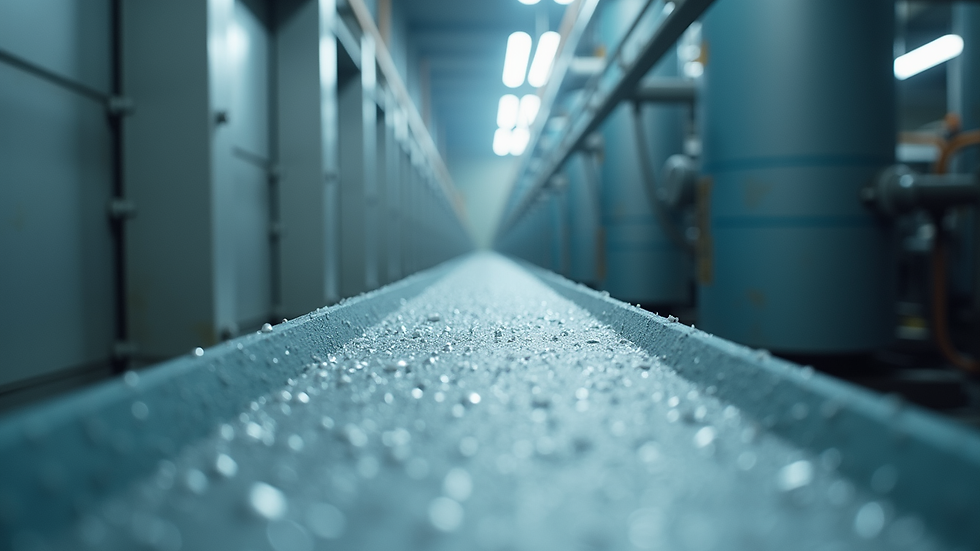
Regular maintenance and monitoring of filtration systems prevent fouling and ensure consistent performance. Automated cleaning cycles and backflushing can reduce downtime and operational costs.
Advanced Techniques: Crystallization and Membrane Technologies
For applications demanding ultra-pure phosphoric acid, advanced purification methods are necessary.
Crystallization: Controlled cooling or evaporation induces crystallization of pure phosphoric acid monohydrate. Impurities remain in the mother liquor, which is separated. This method achieves very high purity but requires precise temperature control and energy input.
Membrane Technologies:
- Nanofiltration selectively removes divalent and larger ions while allowing monovalent ions to pass.
- Reverse Osmosis provides a barrier to most dissolved solids and organic molecules.
- Electrodialysis uses electric potential to separate ions based on charge.
These technologies offer modular, scalable solutions with lower chemical usage and waste generation. However, membrane fouling and lifespan are challenges that require careful management.
Incorporating digital lifecycle services can optimize membrane performance by predicting maintenance needs and adjusting operating parameters in real time.
Practical Recommendations for Implementing Phosphoric Acid Purification
To maximize the benefits of phosphoric acid purification, consider the following actionable steps:
Conduct Comprehensive Feed Analysis: Identify all impurities and their concentrations before selecting purification methods.
Pilot Testing: Run small-scale tests to optimize process parameters and evaluate equipment performance.
Integrate Multiple Techniques: Combine filtration, solvent extraction, ion exchange, and membrane processes for thorough purification.
Automate Monitoring and Control: Use sensors and digital tools to maintain optimal conditions and detect deviations early.
Plan for Waste Management: Develop strategies for handling sludge, spent solvents, and other byproducts responsibly.
Invest in Modular Equipment: Modular plants allow flexible scaling and easier upgrades as process needs evolve.
By following these guidelines, industries can achieve high-purity phosphoric acid with improved energy efficiency and reduced environmental impact.
Phosphoric acid purification is a complex but manageable challenge. Leveraging a combination of proven methods and modern technologies enables the production of high-quality acid tailored to demanding industrial applications. Continuous innovation and process optimization remain key to meeting evolving standards and sustainability goals.


