Sulzer’s Purification of Pyrolysis Oil: Making Plastic Waste Circular

Introduction
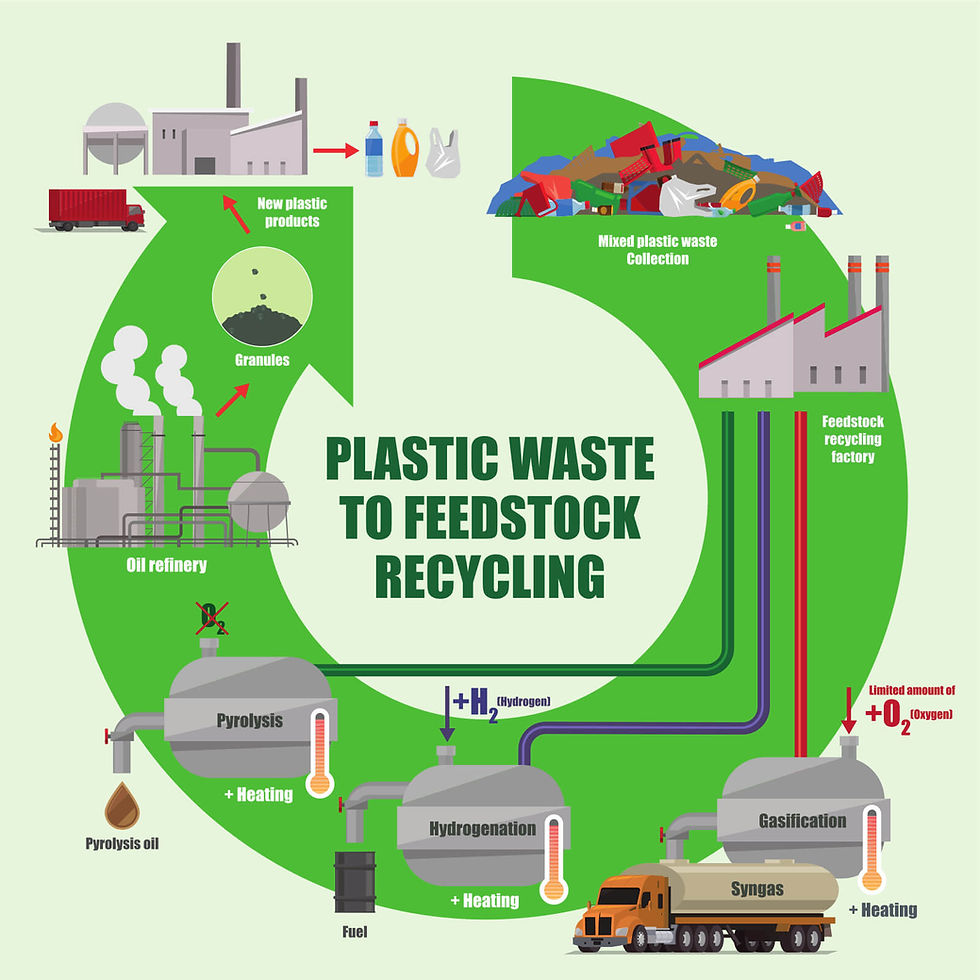
Plastic pollution is a mounting global crisis, with millions of tons of waste entering landfills and the environment every year. Advanced chemical recycling especially pyrolysis offers a breakthrough path to convert even the most mixed and contaminated plastics into valuable resources.
But the true transformation happens with Sulzer’s advanced purification technologies, designed to process pyrolysis oil (Pyoil) into market-ready, high-specification hydrocarbon streams.
Why Pyrolysis Oil Needs Purification
While pyrolysis effectively breaks down plastics into oil and gas, the resulting crude Pyoil is typically loaded with contaminants like sulfur, nitrogen, chlorine, and oxygenates that can damage downstream equipment and fail to meet refinery or chemical plant specifications.
Without proper purification, Pyoil cannot close the plastic loop or meet regulatory and quality demands.
Sulzer’s Purification Process: Turning Waste into High-Value Products
Sulzer’s pyrolysis oil purification combines a modular, staged approach—removing impurities, separating fractions, and delivering streams that rival or surpass virgin sources.
Key Process Steps
Rapid Quenching & Primary Separation
Quenches hot vapors quickly (with PyroCon™ technology) to stop secondary reactions, maximizing liquid yield and process uptime.
Contaminant Removal
Multi-stage chemical and physical purification eliminates sulfur, nitrogen, chlorine (PVC, PET residues), and oxygenates.
Distillation & Fractionation
Advanced columns split Pyoil into clean naphtha, diesel, BTX aromatics (benzene, toluene, xylene), and wax, all ready for use.
Hydrotreating (Optional)
MaxFlux® and hydrotreating units can bring contaminants below 1 wppm—meeting the strictest requirements for steam crackers and polymer producers.
Modular & Skid-Mounted Design
Pre-assembled process modules enable fast, low-risk integration into both existing plants and new recycling facilities.
What Makes Sulzer’s Technology Stand Out?
All Major Plastics Accepted: Handles mixed sources (PE, PP, PS, PET, PVC) from municipal, industrial, or packaging waste no pre-sort needed.
High Product Purity: Recovered fractions suitable for fuels, specialty chemicals, or new plastics production.
Sustainable & Economic: Turns low-value waste into high-margin products, supporting both profitability and environmental targets.
Validated by Industry: Sulzer purification is proven at commercial scale in Europe—examples like Quantafuel Denmark validate its performance and integration speed.
Reliable Support: Sulzer delivers simulation data, testing, engineering, and start-up expertise, ensuring a smooth path from waste collection to market.
Process Benefits at a Glance
Feature | Benefit |
Multi-stage impurity removal | Clean hydrocarbons, avoid downstream issues |
Modular, skid-mounted units | Fast installation, flexible scale-up |
High-purity hydrocarbon streams | Enables virgin-quality plastic & fuel outputs |
BTX/aromatics and diesel splits | Maximizes value from every ton of waste |
Comprehensive process support | Expertise from simulation to after-sales |
Why This Matters for the Circular Economy
Traditional mechanical recycling downgrades plastic quality over time. Chemical recycling with Sulzer’s purification closes the loop forever:
Waste plastics → Pyrolysis oil → Purified hydrocarbons → New plastics/chemicals
No quality loss. No limit to repeats. True circularity achieved.
Conclusion
Sulzer’s purification of pyrolysis oil is revolutionizing the future of plastic recycling. By delivering modular, high-performance, end-to-end solutions, Sulzer enables plastics to become endlessly renewable resources combining waste reduction, resource efficiency, and profitability.