

Modular vs Stick-Built: Choosing the Best Construction Method for Bio-Chemical Projects with Sulzer Solutions
The bio-chemical industry faces constant pressure to bring products to market quickly while maintaining high standards of safety, quality, and efficiency. One critical decision in project execution is the choice between modular and stick-built construction methods. This choice can significantly affect timelines, costs, and operational flexibility. Understanding the strengths and limitations of each approach helps project managers and engineers select the best path forward.
This article explores the differences between modular and stick-built construction for bio-chemical projects, highlighting how each method impacts time-to-market. We also discuss how Sulzer’s solutions support faster, safer, and more reliable project delivery.
Understanding Modular Construction in Bio-Chemical Projects
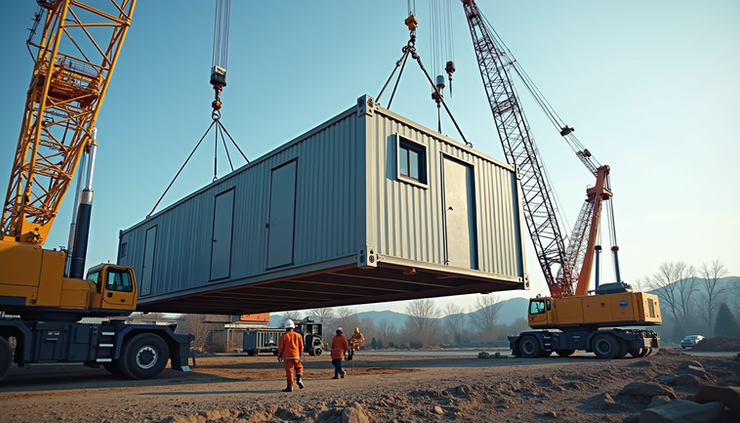
Modular construction involves fabricating sections of a plant or facility off-site in a controlled factory environment. These modules are then transported to the project site and assembled into the final structure. This method contrasts with stick-built construction, where the entire facility is built piece-by-piece on-site.
Advantages of Modular Construction
Reduced Construction Time
Modules can be built simultaneously with site preparation, shortening the overall project schedule. This parallel workflow accelerates time-to-market, a crucial factor in bio-chemical production where delays can be costly.
Improved Quality Control
Factory conditions allow for consistent quality checks, reducing defects and rework. Controlled environments also minimize weather-related disruptions.
Enhanced Safety
Off-site fabrication limits the number of workers exposed to hazards on-site. This reduces accidents and improves compliance with safety regulations.
Simplified Site Logistics
With fewer activities on-site, modular construction reduces congestion, noise, and environmental impact.
Challenges of Modular Construction
Transportation Constraints
Large modules require specialized transport and handling, which can be costly and complex depending on location.
Design Limitations
Modules must be designed for transport and assembly, which can restrict size and shape options.
Higher Upfront Planning
Modular projects demand detailed design and coordination early in the process to avoid costly changes later.
Stick-Built Construction and Its Role in Bio-Chemical Projects
Stick-built construction builds the facility entirely on-site, assembling components piece-by-piece. This traditional method remains common in many bio-chemical projects, especially when customization or complex layouts are required.
Benefits of Stick-Built Construction
Design Flexibility
On-site building allows for adjustments and customization during construction, accommodating complex or evolving project requirements.
Lower Transportation Costs
Since components are smaller and assembled on-site, transportation logistics are simpler and less expensive.
Easier Access to Skilled Labor
Local labor forces can be utilized without the need for specialized modular assembly expertise.
Drawbacks of Stick-Built Construction
Longer Construction Timelines
Sequential on-site work extends project duration, delaying time-to-market.
Weather and Site Conditions Impact
Construction progress can be slowed or halted by adverse weather, affecting schedules and costs.
Higher On-Site Risks
More workers and activities on-site increase safety risks and require stringent management.
Comparing Time-to-Market: Modular vs Stick-Built
Time-to-market is a critical metric in bio-chemical projects. Faster project completion means earlier production, revenue generation, and competitive advantage.
How Modular Construction Accelerates Time-to-Market
Parallel Workflows
Site preparation and module fabrication happen simultaneously, cutting weeks or months from schedules.
Reduced Rework
Factory quality control lowers the chance of errors that cause delays.
Faster Commissioning
Modules can be pre-tested off-site, speeding up start-up once installed.
Stick-Built Construction’s Impact on Timelines
Sequential Process
Site work must be completed before subsequent steps, extending duration.
Weather Delays
Outdoor construction is vulnerable to interruptions.
Complex Coordination
Managing multiple trades on-site can slow progress.
How Sulzer Supports Both Construction Methods
Sulzer offers tailored solutions that enhance both modular and stick-built bio-chemical projects:
Advanced Process Equipment
Sulzer’s pumps, mixers, and separation technologies are designed for easy integration into modular units or traditional builds.
Engineering Expertise
Sulzer’s engineering teams collaborate early to optimize designs for modular fabrication or stick-built assembly.
Project Management
Coordinated scheduling and quality control reduce risks and keep projects on track.
After-Sales Support
Comprehensive maintenance and service ensure long-term reliability regardless of construction method.
Choosing between modular and stick-built construction depends on project size, complexity, location, and timeline priorities. Modular construction offers significant time savings and quality benefits, especially for standardized processes. Stick-built remains valuable for highly customized or evolving projects.
Sulzer’s solutions empower bio-chemical companies to accelerate time-to-market by providing equipment and expertise suited to either approach. Partnering with Sulzer means gaining a reliable ally in delivering efficient, safe, and high-quality bio-chemical facilities.


