MaxFlux™ for Circular Plastics: From Waste to Virgin-Quality Feed
Updated: Aug 4, 2025

Introduction
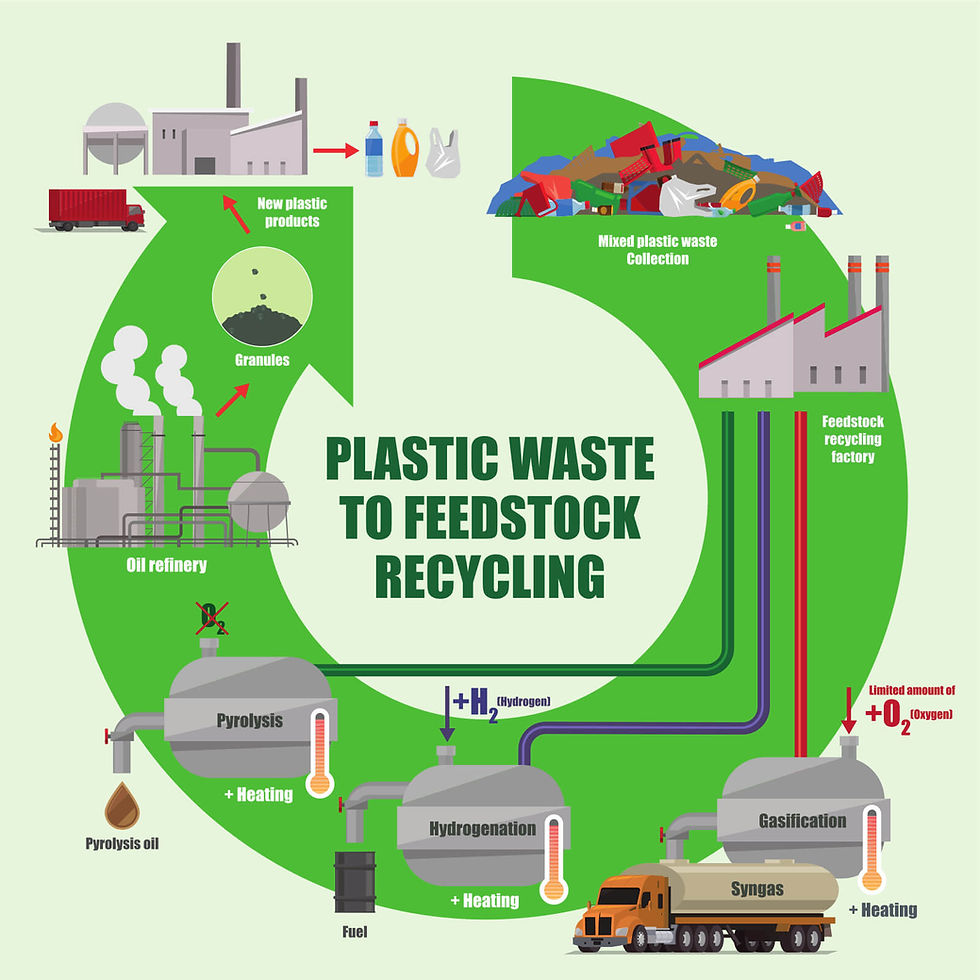
True circularity in plastics recycling means turning waste into raw materials that are as good as new ready for repeated use in polymer production, rather than being downcycled or disposed of. Sulzer’s MaxFlux hydrotreating technology makes this leap possible. By flexibly and efficiently upgrading mixed plastic pyrolysis oils (PPO), MaxFlux enables the production of high-grade naphtha, completing the loop for plastics-to-plastics recycling.
How MaxFlux Drives Circularity
Handles Mixed & Variable Feedstocks
MaxFlux has been engineered for a range of plastic waste types, including post-consumer packaging, construction plastics, and more.
The process tolerates the broad impurity spectrum of real-world plastic waste, ensuring reliable upgrading for diverse input streams.
Upgrades to Steam Cracker-Ready Feed
MaxFlux removes halogens, sulfur, metals, and other contaminants from pyrolysis oil, lowering them to below the strictest naphtha cracker specs.
The product is suitable for use in existing petrochemical plants, producing polymers like polyethylene and polypropylene with properties rivaling those made from virgin fossil feedstocks.
No Downcycling Truly Circular
Unlike mechanical recycling, which often reduces plastic quality, MaxFlux’s chemical purification restores used plastics to feedstock quality—no compromise in material performance or versatility.
This enables manufacturers to create food-grade, high-value, and specialty plastics from recycled streams.
Scalable & Integrable
The technology is adaptable for greenfield and retrofit applications, and can be deployed alongside mechanical recycling systems to close the plastic loop in construction, packaging, and consumer goods sectors.
Real-World Integration
Sulzer is partnering globally with chemical firms, construction industry leaders, and recycling companies to pilot, scale, and commercialize MaxFlux as part of closed-loop recycling systems.
Circular Construction Plastics: Joint ventures with building material leaders are targeting industry-specific waste, creating models for full-value-chain circularity in Europe.
Global Applications: Solutions are being tailored and customized for different regulatory and supply chain contexts, supported by testing centers and local partners to ensure consistent performance with varied waste inputs.
Summary Table: MaxFlux Circular Economy Impact
Feature | Benefit |
Feedstock flexibility | Mixed & contaminated plastics accepted |
Product purity | Steam cracker-compatible, virgin-grade naphtha |
No downcycling | “Waste-to-virgin” closed loop achieved |
Industrial integration | Retrofit/greenfield readiness, with collaborative pilots |
Sustainability gains | Landfill/CO₂ reduction, regulatory compliance |