

Improving Efficiency in Efficient Chemical Processes
- Feb 17
- 3 min read
Efficiency in chemical manufacturing is no longer optional. It is a critical factor that drives profitability, sustainability, and competitiveness. In my experience working with chemical, petrochemical, refining, and LNG industries, I have seen firsthand how targeted improvements in process design and operation can yield substantial gains. This post outlines practical strategies to enhance efficiency in chemical processes, focusing on separation, mixing, and purification technologies.
Understanding the Foundations of Efficient Chemical Processes
Efficiency starts with a clear understanding of the process fundamentals. Every chemical operation involves energy input, material flow, and reaction or separation steps. Optimizing these elements requires:
Precise process control: Monitoring temperature, pressure, and flow rates to maintain ideal conditions.
Minimizing energy consumption: Using heat integration and energy recovery systems.
Reducing waste and emissions: Implementing closed-loop systems and advanced purification.
For example, in a distillation column, improving tray design or switching to structured packing can reduce pressure drop and increase throughput. Similarly, optimizing reactor conditions can enhance conversion rates and selectivity, reducing by-products and downstream processing load.

Close-up view of industrial distillation column internals
Leveraging Advanced Equipment for Efficient Chemical Processes
Equipment choice directly impacts process efficiency. Modern proprietary equipment offers enhanced performance through better design and materials. Key areas to focus on include:
Separation units: High-efficiency separators and membranes reduce energy use and improve purity.
Mixing technology: Advanced static and dynamic mixers ensure uniform reactant distribution, improving reaction rates.
Modular plants: Prefabricated, scalable units reduce installation time and allow flexible capacity adjustments.
For instance, Sulzer Chemtech’s modular plants combine proprietary equipment with digital lifecycle services. This integration helps industries boost uptime and cut energy use, delivering measurable ROI. The modular approach also simplifies maintenance and upgrades, reducing downtime.
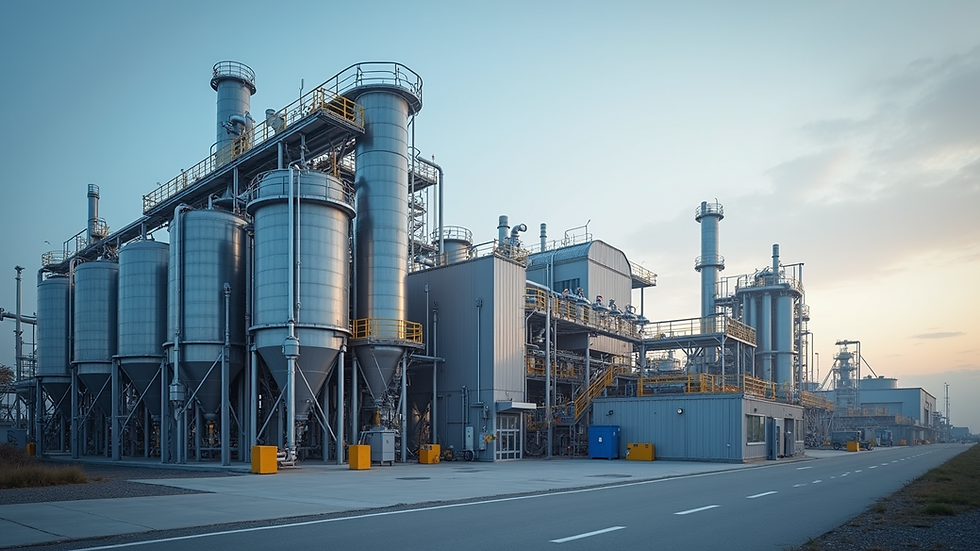
Eye-level view of modular chemical processing plant exterior
Implementing Digital Lifecycle Services to Maximize Efficiency
Digital tools are transforming chemical process management. Real-time data analytics, predictive maintenance, and process simulation enable proactive decision-making. Here’s how to leverage these technologies:
Data-driven optimization: Use sensors and IoT devices to collect process data continuously.
Predictive maintenance: Analyze equipment condition to schedule maintenance before failures occur.
Process simulation: Model scenarios to identify bottlenecks and test improvements virtually.
These digital lifecycle services reduce unplanned downtime and optimize energy consumption. They also support compliance with environmental regulations by monitoring emissions and waste streams.
Practical Steps to Enhance Process Efficiency
Improving efficiency requires a systematic approach. I recommend the following actionable steps:
Conduct energy audits: Identify high-energy-consuming units and evaluate improvement options.
Upgrade equipment: Replace outdated components with high-performance alternatives.
Optimize process parameters: Adjust temperature, pressure, and flow rates based on real-time data.
Implement heat integration: Recover waste heat for use elsewhere in the process.
Train operators: Ensure staff understand process dynamics and efficiency goals.
For example, a refinery that implemented heat integration and upgraded its separation units reported a 15% reduction in energy consumption within six months. This translated into significant cost savings and lower carbon emissions.
Driving Sustainable Growth with Efficient Chemical Processes
Efficiency improvements align closely with sustainability goals. By reducing energy use and emissions, companies contribute to a low-carbon future while enhancing profitability. The shift to high-performance manufacturing requires:
Advanced separation, mixing, and purification solutions: To minimize resource use.
Modular and scalable plant designs: To adapt quickly to market demands.
Digital lifecycle services: To maintain peak performance and extend equipment life.
I encourage industry leaders to explore chemical process solutions that integrate these elements. This approach accelerates the transition to efficient, sustainable operations.
Efficiency in chemical processes is a continuous journey. By focusing on equipment innovation, digital tools, and practical optimization steps, industries can achieve measurable improvements. The benefits include reduced operational costs, lower environmental impact, and enhanced competitiveness in a rapidly evolving market.


